Blanquette de Veau: Classic French Veal Stew Recipe | The French Fork
The French Fork
Archives
Blanquette de Veau: Classic French Veal Stew Recipe | The French Fork
SIGN UP FOR OUR NEWSLETTER
Blanquette de Veau: The Creamy White Jewel of French Cuisine |
Discover why this elegant veal stew has captured French hearts for centuries—and how to master it in your own kitchen |

The French Fork
Mar 16, 2026
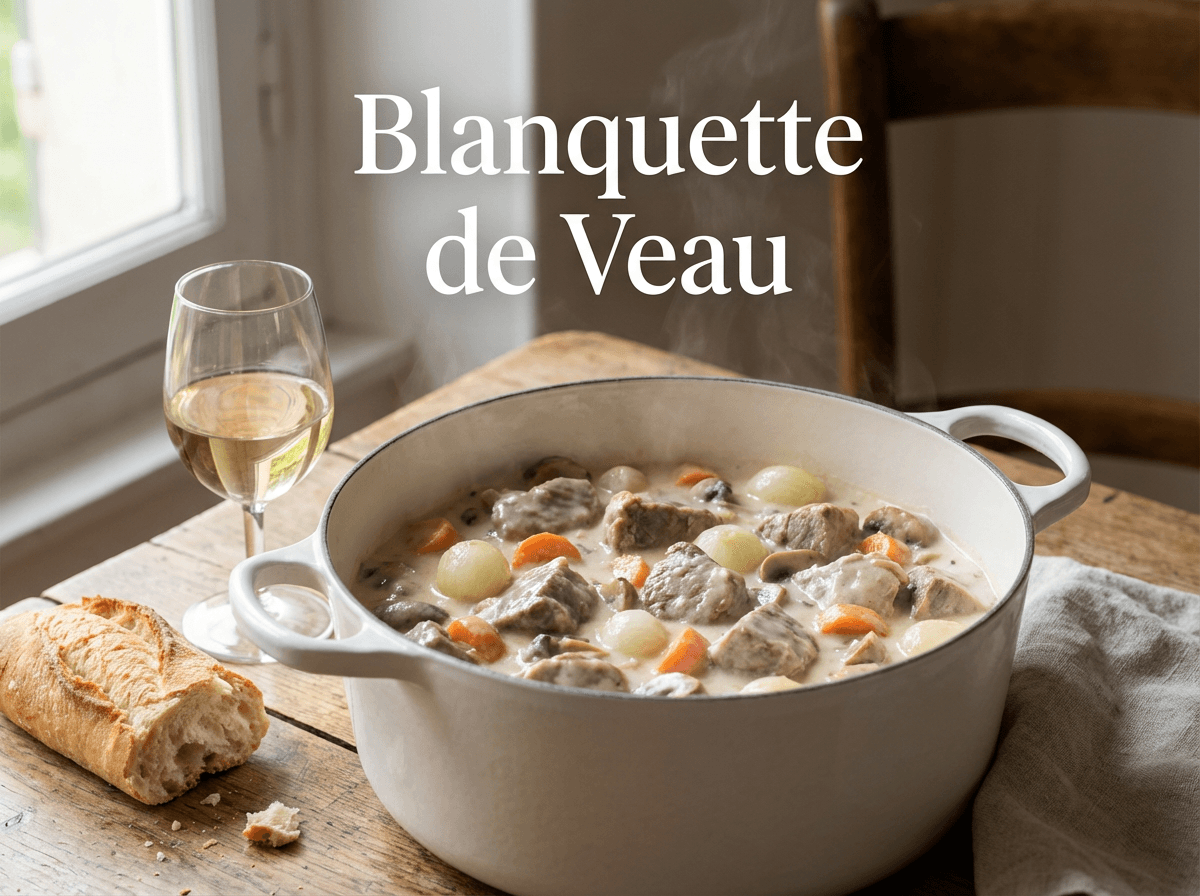 |
There are certain dishes that define a cuisine. Not through flash or complexity, but through quiet perfection. Blanquette de veau is one such dish—a creamy, tender veal stew that has graced French tables for centuries and consistently ranks among the most beloved meat dishes in France. In a 2007 television poll, it sat comfortably in the top five alongside steak frites and gigot d'agneau. This is no small feat in a country that takes its food as seriously as France does.
The name itself tells you everything you need to know. Blanquette comes from the French word blanc—white. And white is exactly what this dish is supposed to be. Pure, pristine, unapologetically pale. As Anthony Bourdain once observed, every instinct in a chef's training screams to add color—a carrot here, a sprinkle of parsley there. But resist that urge. The monochrome is the message. The whiteness is the point.
A Stew with HistoryThe origins of blanquette de veau stretch back through the annals of French culinary history, finding its place in both aristocratic kitchens and bourgeois homes. The technique itself—simmering meat in a white stock and binding it with a velvety sauce—represents the essence of classical French cooking. As documented in the Larousse Gastronomique, blanquettes held "a very important place in historical cuisine and became a classic of bourgeois cookery."
Early English adaptations appeared in Hannah Glasse's 1770 The Art of Cookery Made Plain and Easy, where the veal was roasted, cooled, sliced, and then reheated in a white sauce. By the 19th century, Eliza Acton was adding gently sautéed mushrooms to her version, a practice that continues in many modern interpretations. The dish evolved, but its soul remained unchanged: tender meat, silken sauce, and an elegance that belies its humble stew origins.
What Makes It SpecialUnlike stews that rely on browning for depth of flavor, blanquette de veau takes a different path. The veal is poached, not seared, in a delicate white stock infused with aromatic vegetables. This gentle cooking method preserves the meat's pale color and yields flesh of extraordinary tenderness—so soft it practically melts on the tongue.
The magic happens in the sauce. The cooking liquid is transformed into a sauce velouté—one of the five French mother sauces—enriched with cream and bound with a liaison of egg yolks and lemon juice. The result is a sauce of remarkable silkiness, with a subtle tang from the lemon that cuts through the richness. It's comfort food dressed in its Sunday best.
What truly distinguishes blanquette from its cousin, the fricassée, is this poaching technique. Where fricassées often begin with meat cooked in butter, the blanquette's meat is blanched and simmered in stock. The distinction may seem subtle, but it makes all the difference in the final dish's character.
IngredientsServes 6 For the stew:
For the sauce:
For garnish:
Step-by-Step Instructions1. Prepare the veal
2. Build the stock
3. Prepare the mushrooms and onions
4. Create the velouté
5. Enrich the sauce
6. Assemble and serve
Serving SuggestionsTraditionally, blanquette de veau is served with riz à la créole—rice cooked with butter and onions. However, the options are delightfully varied. Buttered noodles (as recommended by Escoffier himself), steamed potatoes, or even celeriac purée all make excellent companions. For vegetables, consider braised celery hearts, leeks, or lettuce hearts—cooked separately and arranged artfully alongside.
The key is to keep the sides simple and elegant. This is not a rustic dish; it demands refinement on the plate. A sprinkle of chopped parsley, while breaking the all-white rule, adds a welcome freshness if used sparingly.
Wine PairingThe delicate nature of blanquette de veau calls for wines that complement without overwhelming. A white Burgundy—particularly a Meursault or Puligny-Montrachet—with its notes of hazelnut and butter, mirrors the richness of the sauce beautifully. For a more affordable option, a well-aged Chardonnay from the Mâconnais offers similar characteristics.
If you prefer red, choose something light and elegant: a young Pinot Noir from Sancerre or a cru Beaujolais. The wine should have enough acidity to cut through the cream while respecting the veal's subtle flavor.
There is a reason this dish has endured. In a world of ever-more elaborate cuisine, blanquette de veau reminds us that true sophistication lies in restraint. Every element serves a purpose. Every technique has been refined over generations. The result is not just a meal, but a meditation on what French cooking can be at its best: simple, elegant, and utterly timeless. |