The French Fork
Archives
"A Modern French Dinner to Savor Slowly"
Subscribe
The French Fork
Archives
"A Modern French Dinner to Savor Slowly"
The French Fork
Dec 6, 2025
Fall in love with France, one recipe at a time. A weekly recipes letter for those who love French food in all its glory. |
Trivia Question❓What popular French dish consists of thinly sliced raw beef or fish, typically served with a dressing of olive oil, lemon juice, and capers? Answer at the bottom of the newsletter |
A Modern French Table of Quiet Elegance |
Three contemporary dishes where simplicity, fragrance and tenderness gather like old friends around the evening light. |
 |
Some evenings call for a table dressed in quiet elegance, where the flavors feel light on the tongue yet linger like a soft melody in the room.
This week we wander into the gentler side of modern French cuisine: paper-thin circles of beetroot brushed with lavender honey, a seared duck breast resting in a dark glow of blackberry glaze, and a panna cotta scented with lemon verbena that trembles beneath a roasted white peach.
Three dishes that speak softly, but with extraordinary grace, as if inviting you to slow the world for just one meal. |
Starter |
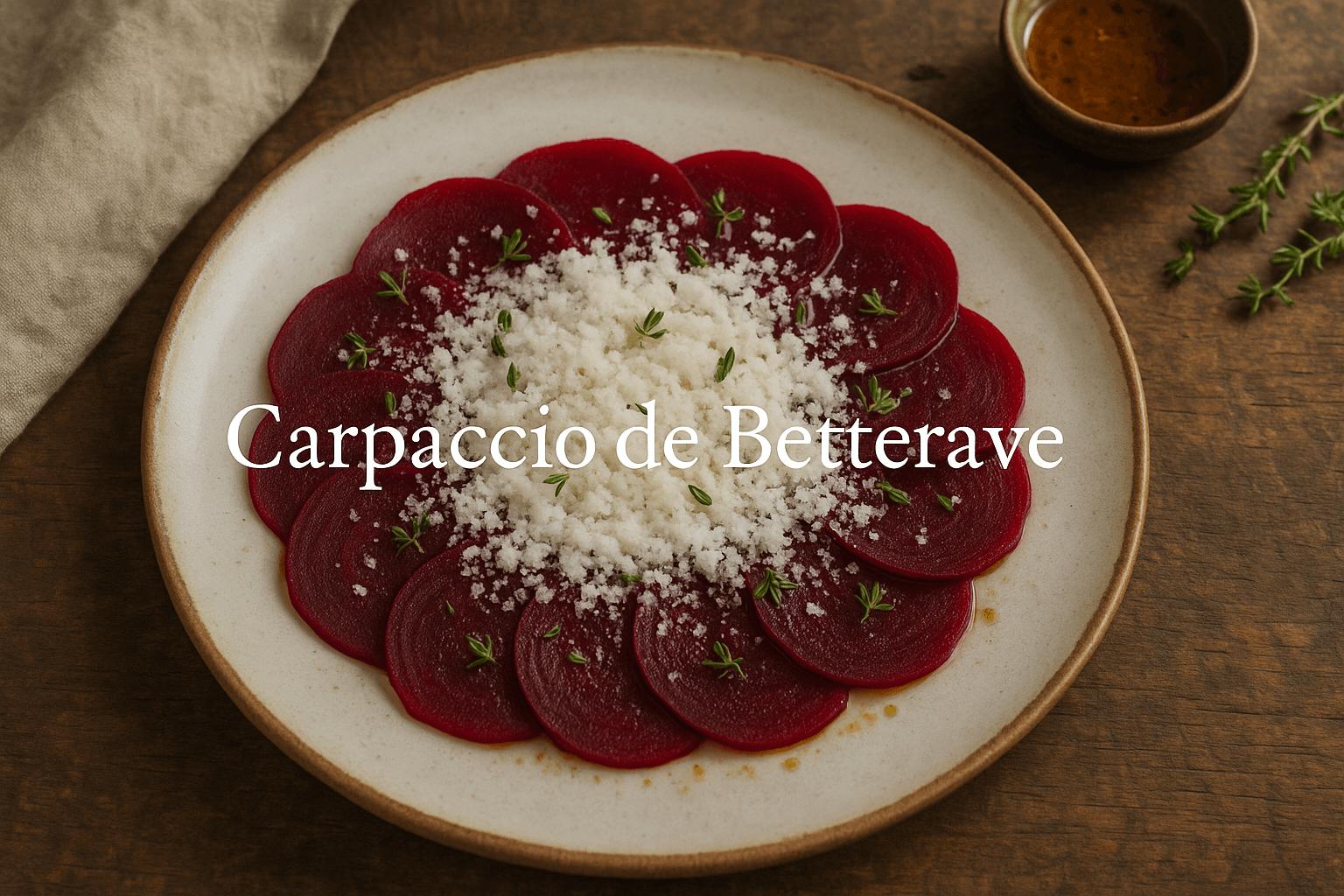 |
Carpaccio de Betterave au Neige de Chèvre et Vinaigrette Miel-Lavande
Beetroot Carpaccio with Goat Cheese Snow and Honey-Lavender Vinaigrette
Where the garden meets the plate in a whisper of springtime sweetness
The beetroot arrives on the table like a shy jewel, thinly shaved until the light can pass through it the way evening sun slips between half-closed shutters. We love this dish because it shows how modern French cuisine still bows to the land. Nothing unnecessary, nothing loud. Just the quiet pleasure of earth and flower, softened by a lace-fine snow of goat cheese.
We learned the vinaigrette from a beekeeper in Provence who believed lavender belonged as much in the kitchen as in her fields. A single spoonful of her honey would perfume the entire room. She said the secret was to warm it only with your hands, never on the fire. Let the aroma bloom slowly. Let it think of summer.
This carpaccio is the kind of start that steadies the appetite. It feels light yet luxurious, like walking through a cool stone corridor before stepping into a sunlit courtyard. You taste sweetness, acidity, the herbal drift of thyme. You feel the story of a place without needing to be told.
And so we share it with you here, as we make it on quiet Wednesdays: plating each beet slice the way one might arrange pressed flowers in a book, adding a crumble of cheese and a shimmer of lavender perfume. A dish to slow time, even for a moment.
Recipe
Ingredients (serves 4) • 3 medium beetroots, cooked and peeled • 120 g goat cheese (4.2 oz), chilled until firm • 1 tbsp honey (15 ml) • 1 tsp dried culinary lavender (lightly crushed) • 2 tbsp lemon juice (30 ml) • 3 tbsp extra-virgin olive oil (45 ml) • 1 tsp Dijon mustard • A few sprigs fresh thyme • Sea salt and cracked black pepper
Instructions Slice the cooked beetroots as thinly as your knife allows, almost transparent. Arrange them in circles on a cool plate. In a small bowl whisk honey, lavender, lemon juice and mustard until they surrender into one another. Stream in the olive oil until the vinaigrette turns glossy. Season gently.
Scatter thyme leaves across the beetroot. With a microplane, grate the chilled goat cheese over the plate until it resembles the first snowfall on a garden wall. Spoon the vinaigrette sparingly on top. Serve immediately, before the cheese begins to melt into the beetroot’s ruby sheen.
Wine pairing
A chilled Sancerre Rosé from the Loire brings herbs, minerality and soft red fruit that echo the beets without overwhelming them.
|
Main Course |
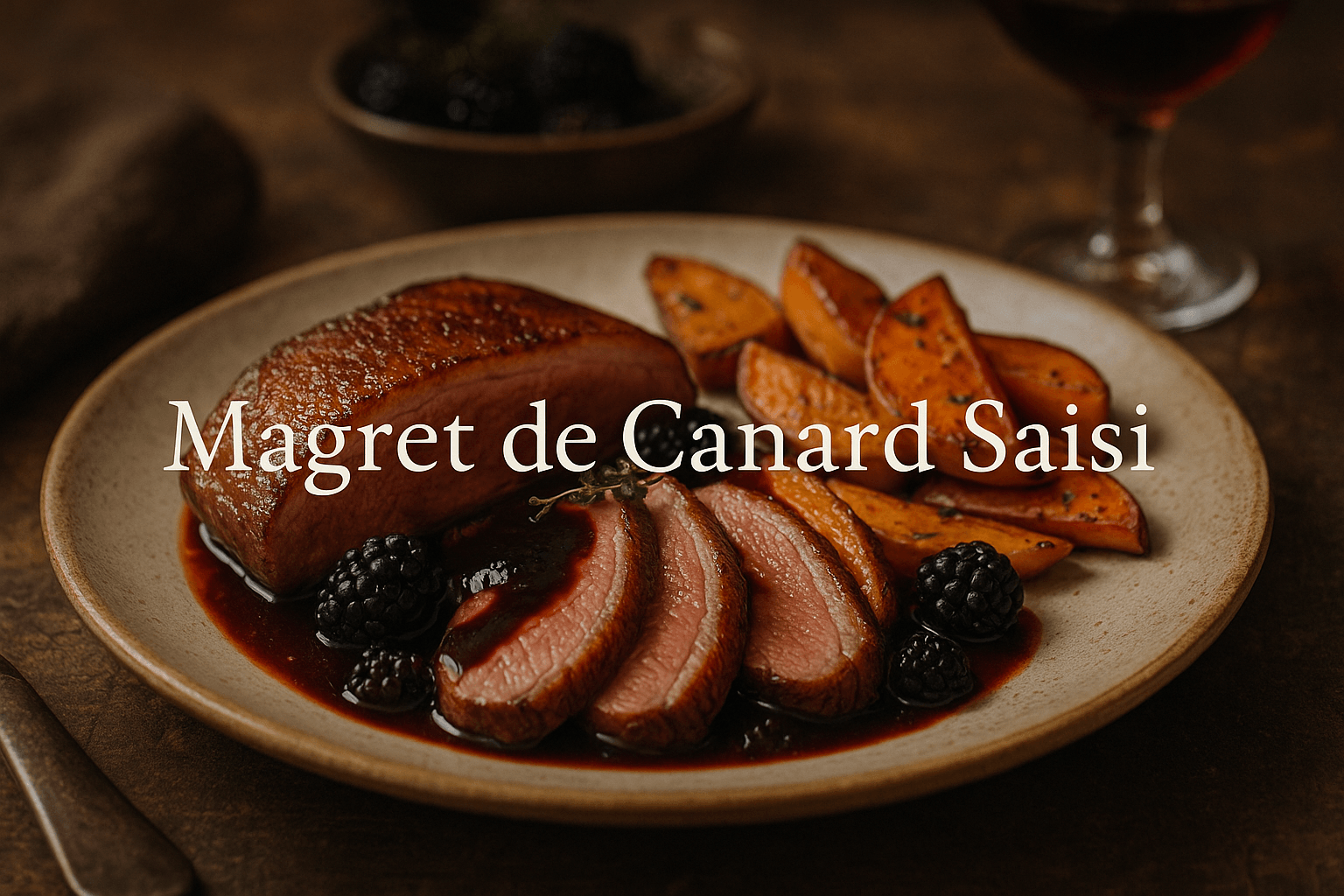 |
Magret de Canard Saisi — Glace Mûre-Balsamique — Patates Douces au Thym
Seared Duck Breast with Blackberry-Balsamic Glaze and Thyme Sweet Potatoe
Duck has a way of making the entire kitchen slow down. Maybe it is the soft crackle of the skin or the rhythm of spooning its own warm fat over the breast. Or perhaps it is the scent — rich, woodland, a reminder of colder nights — that spreads through the house like the prelude to a story.
In the modern French kitchen, duck is often given a touch of fruit. Not the heavy sweetness of past decades, but a sharper, darker expression. Blackberries fit beautifully. They bruise easily, like small midnight pearls, and when folded into balsamic vinegar they create a glaze that clings to the meat like ink to parchment.
We serve it with sweet potatoes roasted with thyme, because thyme is a patient herb. It gives its fragrance reluctantly, only when the heat is gentle and the cook does not rush. Together, the flavors gather on the plate like friends leaning into lamplight.
This is the dish we make when the sky darkens early and we want dinner to feel like a soft conversation. The duck rests, the glaze thickens, the wine breathes. And when everything finally comes together, it feels less like cooking and more like composing a moment.
Recipe
Ingredients (serves 4) • 2 duck breasts (about 350–400 g each, 12–14 oz) • 200 g blackberries (7 oz) • 3 tbsp balsamic vinegar (45 ml) • 1 tbsp honey • 2 tbsp butter (30 g) • 2 large sweet potatoes, peeled and sliced • 2 tbsp olive oil (30 ml) • Fresh thyme • Salt and pepper
Instructions
Score the duck skin in a crosshatch, taking care not to pierce the meat. Season generously. Place skin-side down in a cold pan, then turn on medium heat. Let the fat render slowly until the skin is deep golden and crisp. Flip and cook 3–4 minutes more. Transfer to rest under a warm cloth.
Pour off excess fat, keeping a spoonful in the pan. Add blackberries, balsamic and honey. Let it simmer until the berries soften and the glaze thickens to a slow ribbon.
Meanwhile, toss sweet potato slices with olive oil, thyme, salt and pepper. Roast at 200°C (390°F) for 25 minutes, until tender at the edges.
Slice the duck breast along the grain, spoon the glaze over the top, and arrange on a warm plate with the roasted sweet potatoes.
Wine pairing
A Pinot Noir from Burgundy is perfect here: bright cherry, soft tannins, and an elegance that mirrors the glaze. |
Dessert |
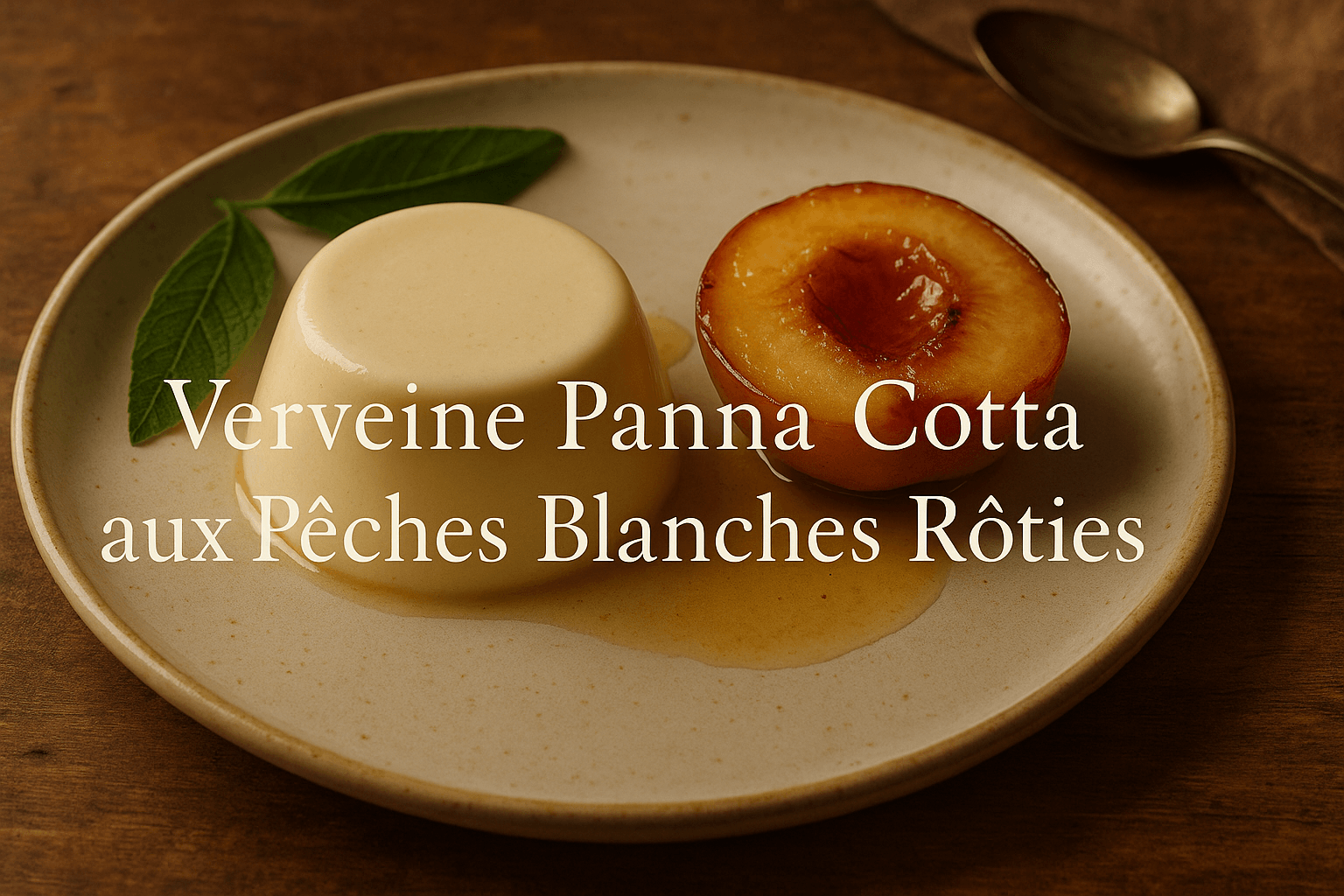 |
Panna Cotta à la Verveine et Pêches Blanches Rôties
Lemon Verbena Panna Cotta with Roasted White Peaches
The taste of late summer captured in a single cool, trembling spoonful
There is something beautifully French about panna cotta when it is scented with herbs. Lemon verbena, especially, feels like a secret whispered by the garden. Its perfume is citrus and meadow, delicate yet insistent, and when infused into warm cream it becomes the sort of aroma that lingers on your sleeve long after you leave the kitchen.
We serve it with roasted white peaches — the kind that bruise if you breathe too heavily near them. A short rest in the oven deepens their perfume, caramelizes their edges, and turns their juices into a syrup the color of blushing dusk.
This dessert is modern in the way good French cooking has always been modern: simple, intentional, and generous to the senses. It has the softness of silk, the brightness of citrus, and the quiet luxury of a dish that doesn’t try to impress you, only to delight you.
There is no rush preparing it. The panna cotta chills while you pour yourself a glass of wine. The peaches roast as the evening settles around you. And when you finally sit down, spoon in hand, the entire world seems to exhale.
Recipe
Ingredients (serves 4) • 400 ml heavy cream (1 ⅔ cups) • 100 ml whole milk (½ cup) • 70 g sugar (2.5 oz) • 4 g powdered gelatin (½ packet) + 2 tbsp cold water • A handful of fresh lemon verbena leaves • 2 white peaches, halved • 1 tbsp honey (15 ml) • 1 tbsp butter (15 g)
Instructions
Bloom the gelatin by sprinkling it over cold water. Heat cream, milk and sugar in a saucepan until steaming but not boiling. Remove from heat and add lemon verbena. Cover and steep 10 minutes. Strain and stir in the softened gelatin until dissolved.
Pour into four small glasses or moulds and refrigerate at least 4 hours.
For the peaches, place halves in a small dish, dot with butter, drizzle with honey and roast at 180°C (350°F) for 15 minutes until tender and lightly caramelized.
Serve the panna cotta with a warm peach half and a spoonful of its syrup.
Wine pairing
A chilled Viognier from the Rhône Valley, fragrant with apricot and honeysuckle, completes the dessert like a final chord resolving a melody.
|
 |
Recipe Articles |
 |
Some dishes evoke pure luxury, while others capture the essence of everyday life.
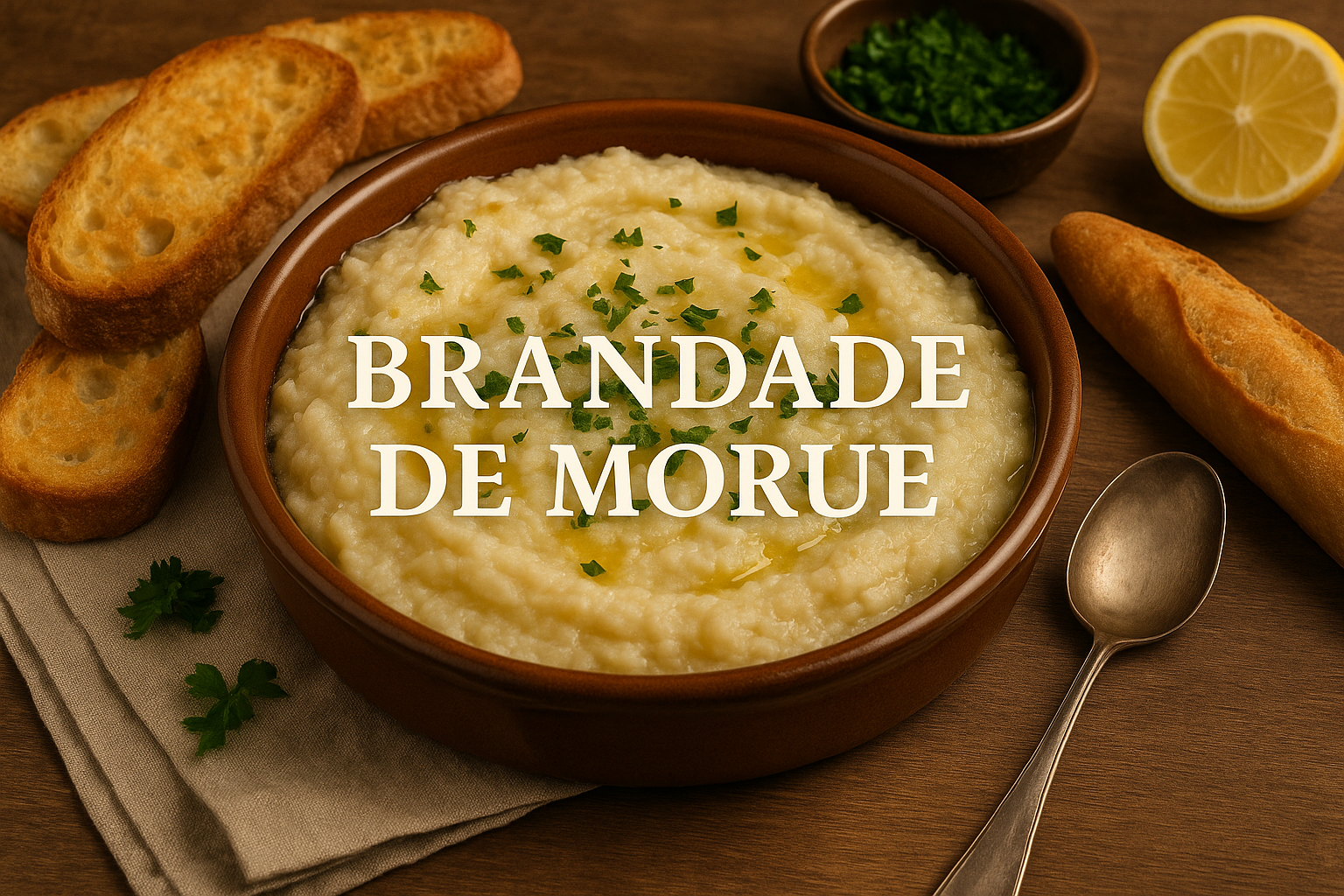
Brandade de Morue is of the latter kind—simple salt cod, transformed by time and tradition into something unforgettable.
This beloved recipe, with roots in Nîmes and Marseille, takes humble dried fish and, with the mere addition of olive oil, garlic, and milk, coaxes it into a silken, luminous purée.
The mixture is gently mashed and blended until it becomes creamy, delicately seasoned with lemon, nutmeg, and white pepper, then crowned with fresh herbs and olive oil.
Served warm with crusty bread or as a golden gratin, brandade is a dish shaped by necessity, patience, and sunlit kitchens.
Paired with a chilled white wine from Costières de Nîmes or Picpoul de Pinet, it’s a taste of southern France that lingers long after the meal ends.
Evenings in Nîmes may still carry its scent—a reminder of simple ingredients elevated to poetry. Read More... |
 |
Normandy transforms simple ingredients into culinary art, famed for its lush apple orchards and creamy pastures.
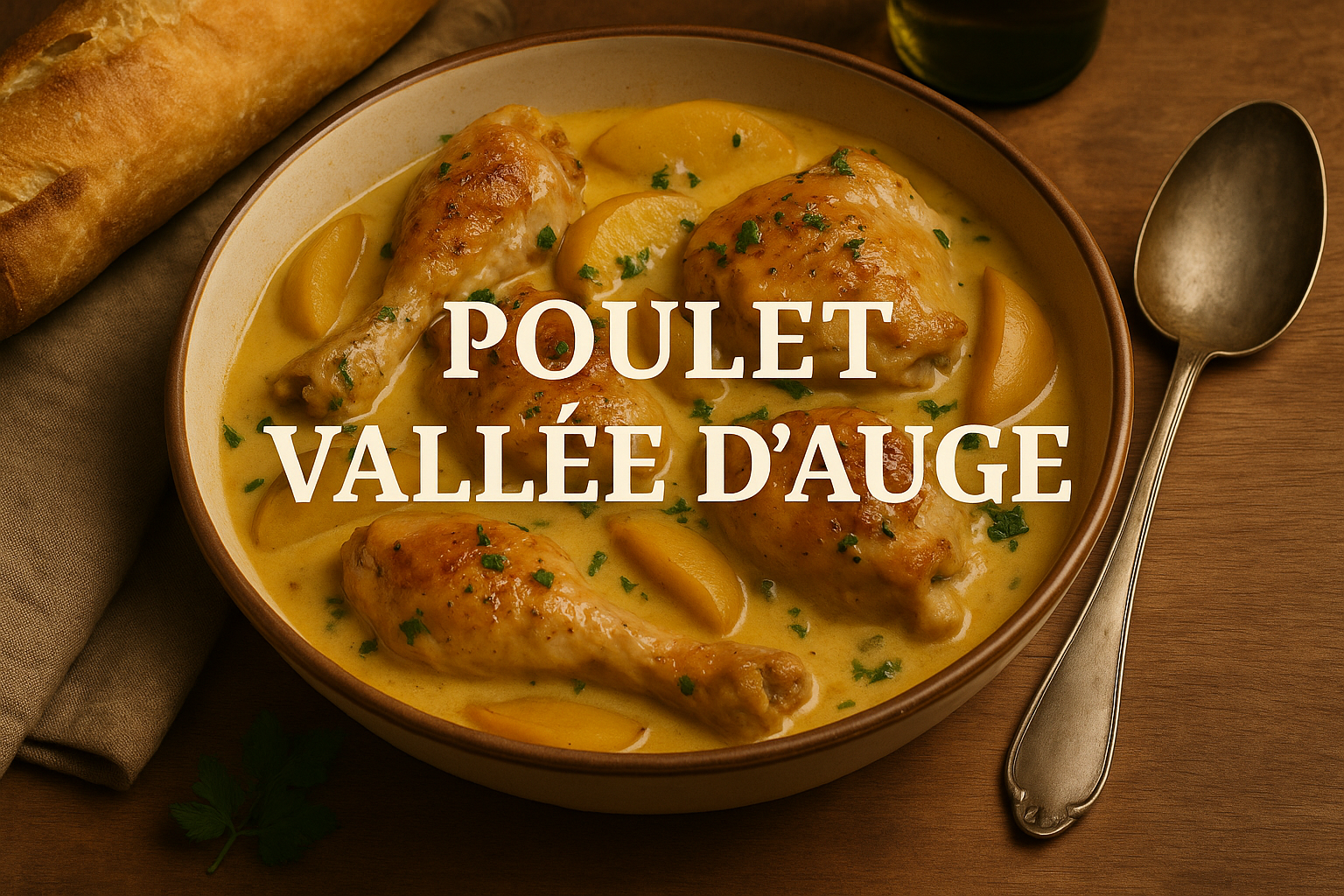
In the Vallée d’Auge, the heart of apple country, locals perfected a dish where chicken simmers slowly in cider and calvados, becoming fork-tender and deeply aromatic.
The kitchen fills with laughter and the irresistible scent of apples caramelizing in butter, evoking family memories and Sunday gatherings.
Using everyday staples—a bottle of cider, tart apples, cream, and patience—this comforting recipe draws out Normandy’s gentle warmth.
Served over buttered noodles or with rustic bread, every spoonful of velvety sauce speaks of rural tradition.
A glass of crisp, dry Cidre Brut de Normandie or a chilled Chablis elevates the meal with refreshing acidity.
This dish captures the valley’s humble pride and invites everyone to experience a taste of northern France’s golden heart. Read More... |
 |
And so…
we close this evening with the quiet satisfaction of a table well loved. The delicate circles of beetroot, still shimmering with lavender honey, the duck resting in its dark, velvety blackberry glaze, and the panna cotta trembling softly beside its warm roasted peach… they linger like three notes of a small symphony, each one fading gently into the next.
If later tonight you find the scent of thyme or verbena brushing past your thoughts, let it happen. Good dishes have a way of following us into the quiet hours, reminding us that simple ingredients, treated with patience, can turn an ordinary evening into something tender.
Until our next meal together, may your kitchen feel warm, your plates generous, and your moments unhurried.
Bon appétit |
💡 Answer to Trivia Question: Steak tartare |
Follow us on Facebook: www.facebook.com/thefrenchfork |
Mail us today at: |
THIS PUBLICATION SPONSORED BY